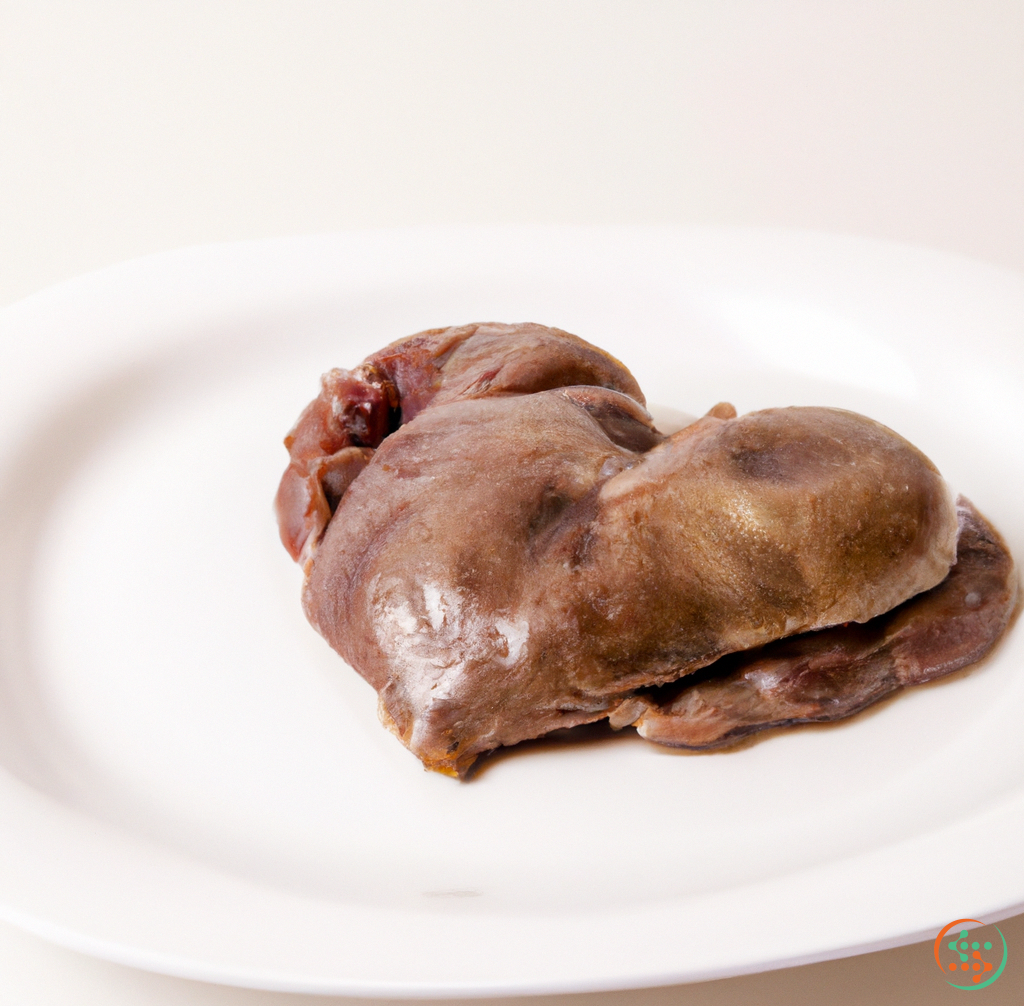
Pork Heart
A Pork Heart: Exploring the Anatomy and Culture of One Fascinating Organ
The pork heart is an often overlooked organ, both in terms of its anatomy and its cultural relevance. Despite being a critical organ––responsible for pumping life-giving blood throughout the body––it has never achieved the same prominence as other organs, such as the brain or the liver. In this article, we’ll explore the anatomy and culture of the pork heart, and find out why this organ should not be overlooked.
Anatomy of the Pork Heart
The pork heart is made up of four chambers: two atria, two ventricles, and an aorta. The right side of the heart pumps oxygen-depleted blood, while the left side pumps oxygen-rich blood. The atria are the upper chambers of the heart, which receive blood and pump it to the ventricles. The ventricles, in turn, pump the blood out of the heart to the rest of the body. The aorta is the largest artery in the body, and it’s responsible for carrying the oxygenated blood away from the heart and to the whole body.
The anatomy of the pork heart differs from that of the human heart in two key ways. First, humans have two ventricles, while pigs only have one. Second, pigs have a thicker wall termed the tricuspid valve, which regulates the movement of blood between the atrium and the ventricle.
Cultural Significance of the Pork Heart
While the anatomy of the pork heart is interesting, the organ’s cultural significance is equally fascinating. The pork heart has long held symbolic value in many cultures around the world. In some cultures, the pork heart is seen as a symbol of courage, courage and love. In others, the pork heart is seen as a symbol of fidelity. And in still others, consuming pork heart is seen as a sign of good luck.
The pork heart has also been used in traditional medicine for centuries. In China and elsewhere, pork heart has been used to treat everything from asthma to heart conditions. And it’s often said that consuming pork heart can increase one’s energy and physical strength.
In addition to its cultural and medicinal applications, the pork heart has also taken on a role in the culinary world. Hearty soups and stews featuring pork heart are popular dishes in many countries, including Mexico and Portugal. Pork heart is also a popular ingredient in sausages and other meats. In Mexico, it’s often combined with other organ meats to create a flavorful dish called mollejitas.
Conclusion
The pork heart is an often overlooked organ, but it’s an incredibly fascinating one. Despite its small size, it plays an important role in our lives, both on a physiological level and on a cultural level. From its unique anatomy to the range of cultural applications in which it’s used, the pork heart deserves to be appreciated.
In recent years, more and more people have taken a greater interest in the food we put into our bodies. From sustainable to organic and even locally sourced produce, individuals are increasingly concerned with where their food has come from and how it has been produced. Consequently, there has been a recent fascination in understanding exactly how an item of food gets from the producer’s farm or processing plant to the dinner plate. In this article, we will explore the process of how a pork heart is created and travels to a dinner plate. This blog post will cover everything from the working environment of the processing plants, the handling of licenced abattoirs to the marketing, cooking, and eventual consumption of this delicious food item.
In terms of the production of pork hearts, the process begins at the designated breeding and slaughter facilities. These processing plants are specifically designed by the Department for Environment, Food and Rural Affairs (DEFRA) to meet the strict requirements of the farming and abattoir industries. Essentially, the farms in which the pigs are raised must adhere to very specific standards of cleanliness and animal welfare, and must be subject to regular government inspections. At the production facility, the pig is then subjected to what is known as a “bleeding out” process. Here, the carcass is opened up, and all its organs are inspected before the pig is drained of blood and then butchered. It is at this stage that the pork hearts are removed from the carcass and placed into a refrigerated storage unit.
These pork hearts, along with the rest of the pig’s organs, are then shipped off to the designated licenced abattoir. Again, the DEFRA has set up very stringent guidelines as to how the abattoir must operate and the standards that must be met in terms of hygiene, safety, and animal welfare. At the abattoir, the pork hearts are separated from the rest of the organs and then sent for further processing.
At the processing plants, the pork hearts are inspected for any potential blemishes or contamination. This is to ensure that only the best quality pork hearts are used for human consumption. The licenced abattoirs also carry out several health and safety checks before the hearts are allowed to be sent off to the retailer to be sold to the public. The idea behind these checks is to ensure that the pork hearts are fit for human consumption and do not contain any potentially harmful bacteria or viruses.
Once the pork hearts have passed all the necessary inspections and safety tests, they are then portioned, packaged and labelled in order to meet the EC Regulation 853/2004 requirements. This includes information such as origin, species, weight, expiry date and any allergens relevant to the item. Once all of these mandatory requirements have been fulfilled, the pork hearts are then shipped off to the designated retailers.
At the retailer’s, the pig hearts then must pass a final quality assurance check before they can be sold to the public. This is to confirm that the pork hearts did indeed come from the licenced abattoir and comply with the previously mentioned EC Regulation 853/2004. Once the hearts have passed this check and reached the customer’s hands, the process of turning them into a delicious meal can begin.
The fun part for the consumer starts with receiving the package of pork hearts. The next step would be to determine what type of dish to create. Pork hearts can be cooked in a variety of different ways; for example, they can be roasted, fried, braised or made into pies or sausages. Depending on the recipe, the customer may need to gather some additional ingredients, such as vegetables, spices and condiments, in order to create their meal.
The pork hearts can then be cooked as per instructions, either in large pans, oven dishes or on the barbeque, depending on the chosen recipe. Once cooked, the pork hearts should be inspected to ensure they have reached the desired level of tenderness. Once ready, they can be served with the other elements of the chosen dish and ready to enjoy!
Ultimately, the journey of a pork heart from the breeding and slaughter facilities to the dinner plate is quite extensive. From the very start in a regulated environment, pork hearts must pass several rigorous inspections, testing and packaging processes before finally reaching the public’s grasp. As a food item, pork hearts offer an abundance of flavour and versatility – making them a great addition to any plate. Furthermore, with the additional emphasis on sourcing from ethical and sustainable facilities, buying and consuming pork hearts has never been more appealing.
| Vitamin A | 0.007 mg | |
| Vitamin C | 0.002 grams | |
| Vitamin B1 | 0.56 mg | |
| Vitamin B2 | 0.0017 grams | |
| Vitamin B3 | 0.00605 grams | |
| Vitamin B5 | 0.00247 grams | |
| Vitamin B6 | 0.39 mg | |
| Vitamin B9 | 0.004 mg | |
| Vitamin B12 | 0.00379 mg |
| Calcium | 0.007 grams |
Daily Value 1.3 g
|
| Iron | 0.00583 grams |
Daily Value 0.018 g
|
| Magnesium | 0.024 grams |
Daily Value 0.4 g
|
| Phosphorus | 0.178 grams |
Daily Value 1.25 g
|
| Potassium | 0.206 grams |
Daily Value 4.7 g
|
| Sodium | 0.035 grams |
Daily Value 2.3 g
|
| Zinc | 0.00309 grams |
Daily Value 0.011 g
|
| Copper | 0.51 mg |
Daily Value 0.9 mg
|
| Manganese | 0.07 mg |
Daily Value 0.0023 g
|
| Selenium | 0.0183 mg |
Daily Value 0.055 mg
|
| Tryptophan | 0.272 grams | |
| Threonine | 1.035 grams | |
| Isoleucine | 1.137 grams | |
| Leucine | 2.13 grams | |
| Lysine | 1.952 grams | |
| Methionine | 0.604 grams | |
| Cystine | 0.423 grams | |
| Phenylalanine | 1.042 grams | |
| Tyrosine | 0.808 grams | |
| Valine | 1.25 grams | |
| Arginine | 1.586 grams | |
| Histidine | 0.6 grams | |
| Alanine | 1.514 grams | |
| Aspartic Acid | 2.137 grams | |
| Glutamic Acid | 3.787 grams | |
| Glycine | 1.284 grams | |
| Proline | 1.087 grams | |
| Serine | 1.11 grams |
| Total Sugars | 0.131141 grams |
per 100g
|
| Lauric acid (12:0) | 0.01 grams |
|
| Myristic acid (14:0) | 0.1 grams |
|
| Palmitic acid (16:0) | 0.69 grams |
|
| Stearic acid (18:0) | 0.52 grams |
|
| Total Saturated fatty acids: | 1.32 g | |
| Oleic acid (18:1) | 1.05 grams |
|
| Palmitoleic acid (16:1) | 0.11 grams |
|
| Gadoleic acid (20:1) | 0.02 grams |
|
| Total Monounsaturated fatty acids: | 1.18 g | |
| Linolenic acid (18:3) | 0.1 grams |
|
| Linoleic acid (18:2) | 0.89 grams |
|
| Total Polyunsaturated fatty acids: | 0.99 g | |
| Cholesterol | 0.22 grams |
|
| Total Sterols: | 0.22 g | |