Fava Beans: Complete Vitamin Profile
Fava Beans: Considered a good source of vitamins?
Yes, Fava beans are an excellent source of vitamins. They contain a wide array of vitamins and minerals including vitamin K, B1, B6, folate, choline, potassium, iron, magnesium, phosphorus, sodium, zinc, and manganese. Additionally, they provide essential fatty acids like linoleic, oleic and linolenic acid as well as dietary fiber. Vitamins provided by Fava beans include vitamins B1, B2, B3, B5, niacin, folic acid and biotin. These help regulate the body's metabolism, produce energy from food, maintain healthy skin and hair, prevent cell damage, and form red blood cells. The high amounts of vitamin K present in Fava beans helps to keep bones strong and healthy, while magnesium is important for sleep regulation, relaxation, and cardiovascular health.
Fava Beans ‐ Vitamin Information
Introduction
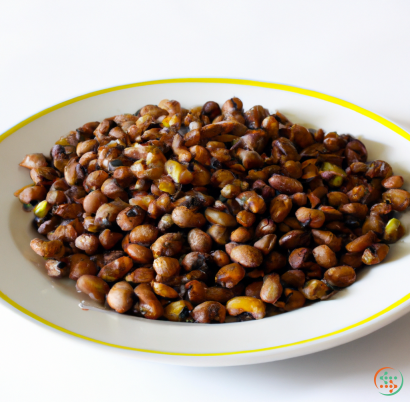
Fava beans (Vicia faba) are a nutrient-dense vegetable that is believed to have originated in the Middle East and later brought to Europe, Asia and other parts of the world. They are a versatile legume with numerous culinary uses throughout many different cultures, and can be cooked in a variety of ways to bring out their unique flavor. Additionally, fava beans contain several essential vitamins and minerals making them an excellent choice for people who are looking to include more nutrition in their diets. This paper will examine the various vitamins found inside of Fava beans and discuss their importance to overall health and wellbeing.
History
Fava bean plants likely originated in North Africa or the Near East, but became popular all over the Mediterranean region as early as 5000 BCE. By about 1000 BCE, it had spread as far as Greece, where Homer mentions them multiple times in his famous epics. Today, they remain an important part of Middle Eastern, African and Indian cultures, serving as food during religious festivals, holidays and special occasions. Italy, India and Egypt continue to be major producers of the crop, while fava beans are also grown in many other countries including Canada, China, Turkey and the USA.
Nutritional Value
Fava beans are nutritional powerhouses, packing a wide range of essential vitamins into a plant-based source of protein. Among these nutrients are thiamin, niacin, riboflavin, vitamin C and folate. Thiamin helps convert carbohydrates into energy, while the B vitamins help break down proteins, fats and carbohydrates for use by the body’s cells. Vitamin C boosts immunity and strengthens collagen, which helps maintain healthy skin, bones and teeth; and folate directs genetic changes within each cell, a process that is necessary for generating new cells in the human body. Together, these vitamins play vital roles in sustaining human life, so eating a diet rich in Fava beans can supply your body with plenty of these essential components.
Thiamin
Thiamin, otherwise known as Vitamin B1, plays a large role in providing energy to the body. It serves as a cofactor in cellular respiration, helping to create adenosine triphosphate (ATP), which transports energy through living organisms. It supports metabolic activity by aiding in the conversion of carbohydrates into glucose, which is then used by the body as fuel. In addition, thiamin helps produce neurotransmitters and regulates metabolism, both of which are important functions for maintaining balance in the nervous system. The daily recommended intake of thiamin according to the Dietary Reference Intakes: Recommended Daily Amounts (DRI/RDA) is 1.2 mg for adult males and 1.1 mg for adult females. One cup of fresh Fava beans contains approximately 0.42 mg of thiamin, making it an excellent dietary source of this essential vitamin.
Niacin
Also known as Vitamin B3, Niacin aids in metabolizing carbohydrates, fat and proteins. It produces enzymes that are responsible for more than 50 essential biochemical reactions within the body, including those that influence memory formation, cognitive function and sexual hormones. Moreover, studies indicate that adequate levels of niacin may lower cholesterol levels, decrease triglycerides and provide protection against cardiovascular disease, diabetes and Alzheimer’s Disease. According to the DRI/RDA, adults should consume 14–16 mg of niacin per day depending on gender. A one-cup serving of boiled Fava beans supplies between 2.46–3.67 mg of niacin, meaning it can significantly contribute towards meeting this daily recommendation.
Riboflavin
Otherwise known as Vitamin B2, Riboflavin plays a critical role in breaking down fatty acids and contributing to red blood cell production. It helps transform foods such as carbohydrates, proteins and fats into forms of energy that the body can utilize efficiently throughout the day. Additionally, riboflavin is necessary for oxygen transfer and carrying electrons in certain oxidation reduction reactions, processes that affect cellular growth, muscle strength and kidney function. According to the DRI/RDA, male and female adults need roughly 1.3 mg of riboflavin every day. A single cup of freshly cooked Fava beans provides around 0.19–0.28 mg of riboflavin, showing its positive impact on nutrient availability.
Vitamin C
Another of Fava beans’ beneficial vitamins is Vitamin C. Aside from being an effective antioxidant, Vitamin C helps produce collagen and acts as a catalyst for hormone and neurotransmitter synthesis, plays a role in forming connective tissues and facilitates iron absorption. Grocery store fruits and vegetables, such as oranges, grapefruits and kale, are common sources of Vitamin C – but Fava beans add another layer of versatility to any meal without straying too far away from nature. Based on the DRI/RDA, men should aim to consume 90 mg of Vitamin C per day, while women need 75 mg. An individual cup of cooked Fava beans supplies 5.88–7.55 mg of Vitamin C, which is 6.6% - 10.06% of the daily requirement for females and 7% - 10.5% of the recommendation for males.
Folate
Last but not least is Folate, which helps direct genetic information when creating new cells. During pregnancy, it has been shown to reduce the risk of neural tube defects in newborn infants, making it particularly important for expecting mothers. As part of the B Vitamins group, Folate works alongside Thiamin, Niacin and Riboflavin to facilitate instructions issued by DNA strands. Additionally, consuming foods high in folic acid can boost energy levels, improve brain functioning and support digestion. Studies reveal that humans should ingest at least 400 µg of Folate per day. With two cups of cooked Fava beans providing 382µg, it fits nicely into modern diets.
Conclusion
Nutrition plays a huge role in our general physical and mental health. Looking at factors like calorie count and nutrient density can guide us towards healthier lifestyles, something that modern science has enabled us to analyze with greater accuracy. With regards to Fava beans, we find them to be especially rich in vitamins, containing B Vitamins such as Thiamin, Niacin, Riboflavin and Folate, in addition to Vitamin C. The content varies based on how they are prepared, but regardless of cooking method they represent a convenient source of valuable nutrition. For anyone striving to meet daily recommendations for vitamins, incorporating Fava beans into menus is an excellent way to smoothly fit them in.
| Vitamin A | 0.001 mg | |
| Beta-Carotene | 0.009 mg | |
| Vitamin E | 0.02 mg | |
| Vitamin K | 0.0029 mg | |
| Vitamin C | 0.3 mg | |
| Vitamin B1 | 0.1 mg | |
| Vitamin B2 | 0.09 mg | |
| Vitamin B3 | 0.71 mg | |
| Vitamin B4 | 0.0306 grams | |
| Vitamin B5 | 0.16 mg | |
| Vitamin B6 | 0.07 mg | |
| Vitamin B9 | 0.104 mg |