Tarragon
Tarragon, or Artemisia dracunculus, is an aromatic herb native to the northern temperate regions of Europe and Asia. Its scientific name is derived from the Greek word "dracunculus" meaning "little dragon," referring to the plant's shape and its strange, winding stems. Though it may be strange looking, tarragon is widely used as an ingredient in French cuisine.
Tarragon has a unique, slightly bitter flavor profile that quickly differentiates it from other common herbs. Its delicate, yet heady aroma and taste gives it a place on many tables, either fresh or dried, as this herb is often used as a seasoning, flavoring, accessory, and garnish. In cuisines around the world, tarragon is used to season fish and shellfish, add a pungent note to salads, infuse inventive cocktails, and give another dimension to eggs and soufflés.
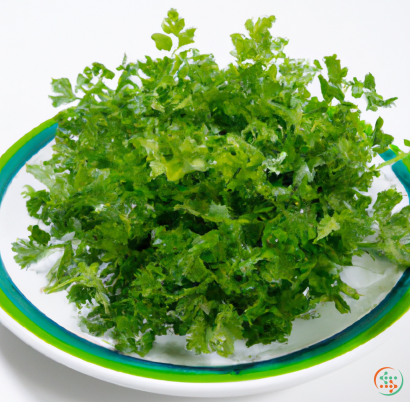
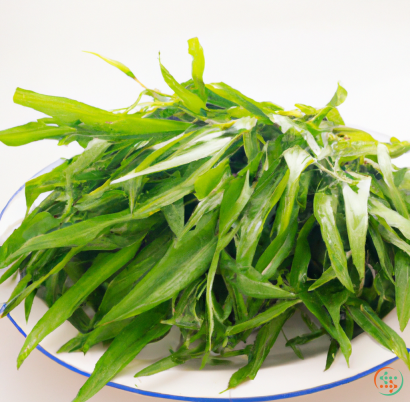
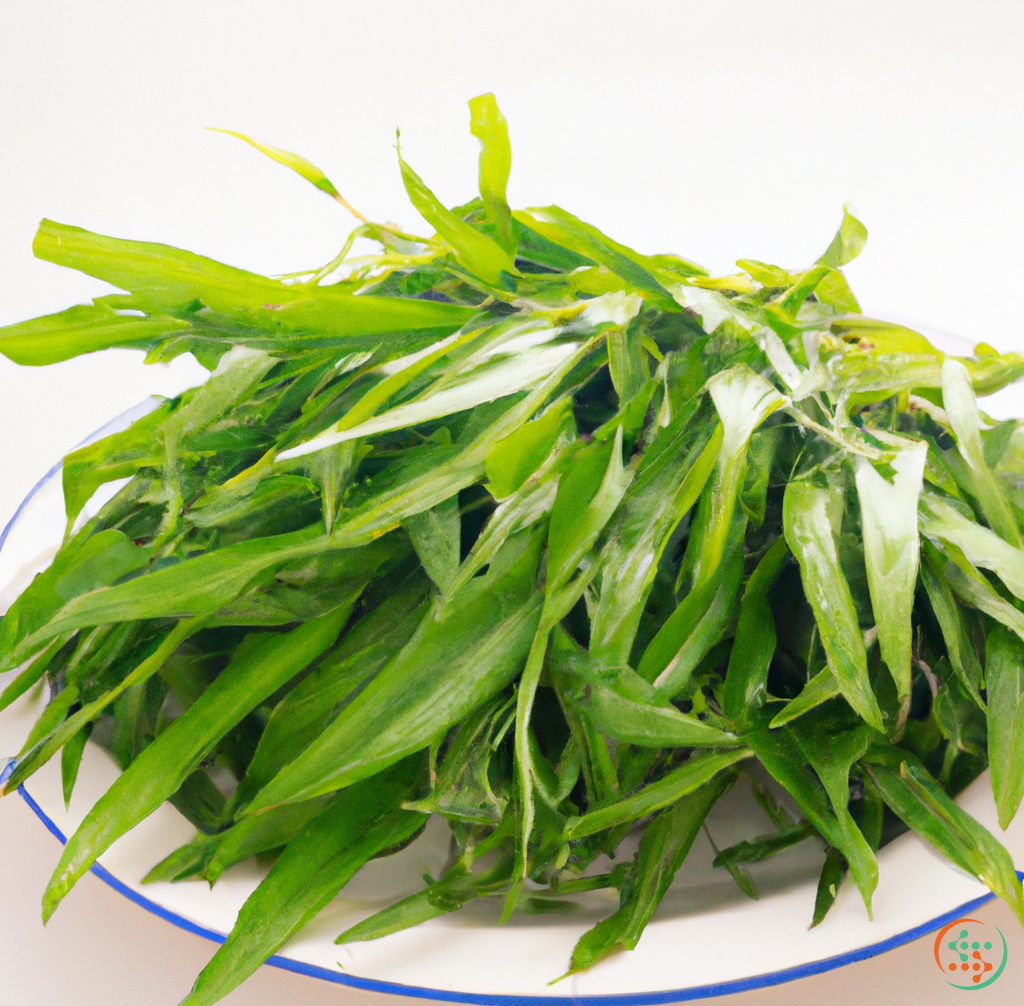
The hearty leaves of the tarragon plant are deep green, thin, and long with a serrated edge, resembling dill or fennel leaves. The aroma is distinctly hard to pin down, but it includes notes of anise, licorice, and mint. Some chefs also describe subtle grassy or nutty undertones.
Tarragon has been used for centuries for its culinary and medicinal qualities. The ancient Greeks and Romans believed it had the power to regulate menstruation and ease childbirth. Europeans have used it as a natural breath freshener and digestive aid. In the Middle Ages, tarragon was a popular aphrodisiac. The plant is also said to have natural antiseptic, antispasmodic, and calming properties as well.
The use of fresh tarragon is preferred, as its intensity is much more imposing than its dried counterpoint. When grown in the garden, the herb often runs wild, as the simple act of cutting off a branch encourages more foliage to grow. Tarragon will remain happily in the garden for an extended period of time; however, it should be watered deeply and applied compost, mulch, and plant food to achieve optimal growth and prevent freezing during the winter months.
When purchasing tarragon, look for brightly colored, feathery foliage with no sign of wilting. You can also try buying small plants from the store. Preparing tarragon is simple— you will simply need to remove the leaves from the stems and discard.
When cooking with tarragon, there are a few key tips to keep in mind: try using it in combination with other herbs to braise chicken, pork or beef, or add it to cheese or egg dishes like omelets and frittatas. Try it when pickling vegetables, as its flavor works especially well with cucumbers, cauliflower, and beets. Tarragon is at home in soups and sauces as well, particularly a classic French sauce Béarnaise, where it infuses the ingredients with its complex, earthy flavor.
Tarragon's combination of tangy and herbal qualities provides chefs with the opportunity to experiment and create incredibly interesting recipes. Incorporating tarragon into everyday dishes is a wonderful way to boost flavor and complexity. Try tarragon in a simple salad of tomatoes and cucumber, in a savory frittata, as an accompaniment to grilled seafood, or to infuse a simple fish stock with marked flavor.
Now that you know a bit about tarragon, why not give it a try? Tarragon adds an unmistakable zing and brings new dimensions to dishes with its complexity and delicate flavor. Whether you are looking to add a touch of something special to your next dish or just curious about a new herb, you can’t go wrong with tarragon.
Tarragon is an aromatic herb that has been used for centuries to flavor food, medicinal remedies, and as a source of fragrance. A diverse herb, tarragon hails from the Artemesia botanical family and boasts an array of unique characteristics due to its peculiar origins. From the fragrant foliage to a temperamental growing habit, tarragon is a delicacy in the kitchen and a star ingredient in any culinary experience. Let’s explore the fascinating journey of a tarragon from seed to plate.
Tarragon’s Origins
The origin of tarragon dates back over 5000 years ago where it is believed to have originally been native to southwest Siberia and northern Iran. Through an incredible journey around the world, tarragon spread to become popular and celebrated as a seasoning delicacy in different regions. Eventually it became part of the main flavor palette in France and other parts of Europe, becoming especially popular around the turn of the 20th century when the use of fresh herbs became more commonplace.
Nowadays the majority of the world’s tarragon is grown in the Mediterranean basin, where the climate is ideal for cultivation. This aromatic herb prefers drier soils with excellent drainage and a healthy amount of sun throughout the day. Tarragon is a perennial but tends to have a short life cycle, with plants only surviving for several months before needing to be replanted.
Tarragon’s Growth
In the process of going from seed to plate, the tarragon plant needs to be carefully tended to so that it produces the rich flavors that this herb is known for. As soon as the winter frost has cleared, it’s time to start planting tarragon seeds for the coming spring season. Planting occurs in early spring, best done several weeks before the final frost date. Seeds can be planted in a pot or directly into the garden soil. Tarragon is also a moderately easy herb to propagate by division, where pieces of the parent plant can be taken and replanted.
After planting the seeds, or when replanting the herb via division, the tarragon pruning process begins. This is a vital step in the cultivation of the herb as it ensures that growth is robust and the final harvest is plentiful. The main goal is to allow enough light penetration to reach the inner layers of the foliage and ensure maximum nutrition uptake. Once established, the bushes should be pruned back annually in order to encourage more growth and eliminate any unhealthy or dead branches.
Once pruned and nurtured, the stems will start to grow and flower. After flowering, the leaves start to broaden and become tender. At this stage, these edible leaves are ready for harvesting. The pickings last up to six weeks between June and August, after which they will start to become tougher or bitter in taste. They can be picked as needed, or all at once and spread out over several meals.
Harvest and Preservation of Tarragon
For proper harvest and preservation of tarragon, each stem should be cut neatly at the base near the soil, leaving about two to three inches of the stems intact for replanting. Cut stems should then be used immediately in the kitchen, dried for future use, or frozen if needed. Freshly cut stems can be stored refrigerated for three to five days but will not store well for longer than that.
To dry tarragon, start by cutting off any bruised or soft sections from the stems. Then, strip the leaves from the stems and spread them out onto a paper towel so that the foliage is in a single layer. Place another paper towel on top and roll them together, making sure not to compress the herb. Next, hang the towel up in a warm, dry area away from direct sunlight. Allow the herb to dry for three to five days and then gently remove the dried leaves from the stems.
Frozen tarragon is ideal for preserving the herb without compromising its flavor and aroma, enabling chefs to use tarragon throughout the year even when it is not in season. To freeze, cut off all the stems and place them in freezer-safe, airtight bags. Label the bags with the date and lay them flat in the freezer. Frozen tarragon can last in the freezer for up to six months.
Tarragon’s Culinary Use
Renowned for its unique flavor, tarragon is often referred to as the king of herbs. Tarragon has a slightly sweet, anise-like flavor that is versatile and complements many dishes. It is popularly used to season foods such as fish, seafood, eggs, chicken, potatoes, salads, and sauces. It is also used to flavor herbal teas, as well as to make compound butter, vinegars, mustards, and dressings.
It is important to note that tarragon can be a strong flavor, so it should not be used in large quantities. Instead, when fresh tarragon is available, it should be used sparingly as a garnish, or infused into a recipe with other herbs or aromatics and used as the main Flavor. For dried tarragon, the flavor is more intense due to the drying process and it should be used accordingly in recipes.
Conclusion
Tarragon is an aromatic and versatile herb with a unique flavor profile that has been popularly used in culinary dishes around the world for thousands of years. As it takes quite a journey to make it from seed to plate, it’s important to note the nuances of its various stages, from planting, pruning, harvesting and preserving. But, once it reaches its final destination on a dinner plate, it will no doubt be the star, adding a delightful flavor to any dish!
| Vitamin A | 0.21 mg | |
| Vitamin C | 0.05 grams | |
| Vitamin B1 | 0.25 mg | |
| Vitamin B2 | 0.00134 grams | |
| Vitamin B3 | 0.00895 grams | |
| Vitamin B6 | 0.00241 grams | |
| Vitamin B9 | 0.274 mg |
| Calcium | 1.139 grams |
Daily Value 1.3 g
|
| Iron | 0.0323 grams |
Daily Value 0.018 g
|
| Magnesium | 0.347 grams |
Daily Value 0.4 g
|
| Phosphorus | 0.313 grams |
Daily Value 1.25 g
|
| Potassium | 3.02 grams |
Daily Value 4.7 g
|
| Sodium | 0.062 grams |
Daily Value 2.3 g
|
| Zinc | 0.0039 grams |
Daily Value 0.011 g
|
| Copper | 0.68 mg |
Daily Value 0.9 mg
|
| Manganese | 0.00797 grams |
Daily Value 0.0023 g
|
| Selenium | 0.0044 mg |
Daily Value 0.055 mg
|
| Total Sugars | 0.131141 grams |
per 100g
|
| Capric acid (10:0) | 0.03 grams |
|
| Lauric acid (12:0) | 0.01 grams |
|
| Myristic acid (14:0) | 0.12 grams |
|
| Palmitic acid (16:0) | 1.2 grams |
|
| Stearic acid (18:0) | 0.41 grams |
|
| Total Saturated fatty acids: | 1.77 g | |
| Oleic acid (18:1) | 0.36 grams |
|
| Palmitoleic acid (16:1) | 0.11 grams |
|
| Total Monounsaturated fatty acids: | 0.47 g | |
| Linolenic acid (18:3) | 2.96 grams |
|
| Linoleic acid (18:2) | 0.74 grams |
|
| Total Polyunsaturated fatty acids: | 3.7 g | |
| Phytosterols | 0.08 grams |
|
| Total Sterols: | 0.08 g | |