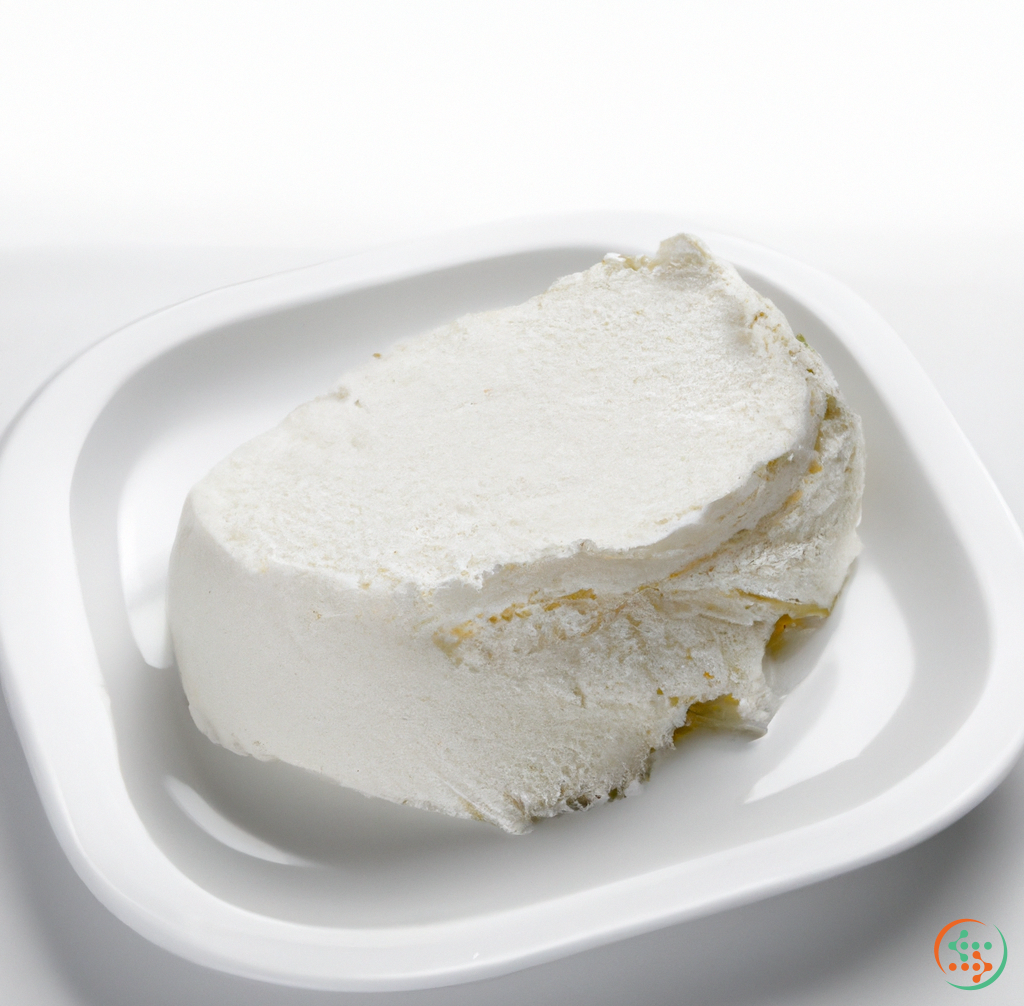
Cream Cheese: Complete Amino Acid Profile
Cream Cheese: Considered a good source of amino acids?
No, cream cheese is not a good source of amino acids. Amino acids are essential molecules that make up proteins and the body needs them to function properly. They can be found in many forms of food such as fish, eggs, beans, nuts, and dairy products like milk, yogurt, and cheese. However, cream cheese does not contain any significant amounts of complete protein; therefore it cannot be considered a good source of amino acids. Cream cheese also contains some saturated fat, so it should typically be consumed in moderation.
Some foods can be fortified with additional amino acid content by manufacturers, but this is not usually the case for cream cheese. In general, if you're looking for a good source of dietary amino acids, lean meats and plant-based alternatives would be better options than cream cheese.
Cream Cheese ‐ Amino Acids List
Amino Acids Found in Cream Cheese
Cream cheese is a dairy product commonly used as a spread, dip or ingredient. Although it may often be thought of as simply a tasty addition to bagels and crackers, cream cheese contains important components that make it nutritionally beneficial. One such component is amino acids. Amino acids are essential for optimal health, functioning as structural and functional building blocks within the body. This article will explore the specific types of amino acids contained in cream cheese, how they’re utilized by the body, and where else one can find these nutrients.
What are Amino Acids?
At their core, amino acids are organic molecules typically consisting of four parts: a central carbon atom (commonly referred to as the alpha carbon), four single-bonded groups surrounding the central atom—one hydrogen atom, one carboxyl group (-COOH), an alkaline radical (-NH2), and a variable side chain— and any additional functional groups associated with the side chain radicals.[1] Depending on the sidechain, each distinct molecule confers a different function upon the organism; thereby making them excellent building blocks for creating proteins which drive cellular processes and actions. These 20 primary amino acids form the fundamental language of biological systems and thus provide much needed critical information when necessary (such as foldable protein structures, enzyme substrates etc.), while also granting insight into how cells build, create and store energy using metabolic pathways[2]. Of all evolutionary lifeforms, man most heavily relies on these vital ‘words’ in order to achieve physiological perfection and maximize its individual species longevity – meaning only certain organisms contain the right combination/ratio/order of basic “amino acid speech” in order to survive and consequently, reproduce successfully.
Amino Acids in Cream Cheese
Cream cheese primarily consists of two main ingredients: pasteurized milk and cream (with some variations fresh starter cultures, pickling agents, and salt). However, like many foods, it also provides small amounts of essential vitamins, minerals, macronutrients, and micronutrients including essential amino acids. In fact, according to research published in 2017, cream cheese was found to contain eleven total essential amino acids - leucine, threonine, isoleucine, lysine, tryptophan, valine, methionine, histidine, cysteine, phenylalanine, arginine - [3], as well as three nonessential aminos – tyrosine, alanine, and serine. Each possess unique properties and individually hold various benefits that make their presence immensely valuable in our bodies.
Leucine (C6H13NO2): Aativator of cellular signaling processes important for regulating multiple aspects of human physiology including glucose transduction, muscle turnover and repair, central nervous system firing rates, appetite control, and more. Structurally, Leucine belongs to the neutralized type family purinesalmonids.
Threonine (C4H9NO3): An animal-based protein known for its role facilitation of glucagon production, immune reaction management, and connective tissue development. It does so through direct interaction with cell membrane receptors, initiating respiration and nutrient absorption. Furthermore, Threonine has been credited with containing immunosuppressive effects.[4][5]
Isoleucine (C6H13NO2): Regulated uptake of sugar and precursor to haemoglobin production. Additionally Isoleucine helps to increase muscle growth rate and mediate inflammation…by way of influencing proteolysis delicate balance between hormones endocrine steroids. Increasing dietary intakes especially later periods after physical exertion may benefit those athletes seeking sustained performance gains over time.
Lysine (C6H14N2O2): Crucial to brain development since infancy then serving protective antioxidant against neurotoxins as well ageing journey progresses. Due its fairly wide spectrum actions on metabolism, neuroscience functions stamina levels too, will definitely add extra wholesomeness value if added supplementing diet regularly. As key permanent constituent collagen molecule structure, Lysine optimizes skin elasticity further helping prevent wrinkles appearing prematurely or even halting advancement soon enough securing naturally youthful looks longer lives!
Tryptophan (C11H12N2O2): Helps regulate serotonin levels, promoting positive moods and better blood flow regulation; improves bodily functions related pain relief due to acting potent analgesic.[6] Also being considered relaxing sleep aid flushing out excess toxins overnight refreshing yourself beginning every morning sunny disposition ready conquer day ahead whatever obstacles arise come along way. It's worth noting however anything excessive should avoided otherwise uneasy feeling can result.
Valine (C5H11NO2): Provides instant energy sources muscles during intense activity bolstering endurance capabilities allowing individuals push themselves limits without suffering strain injuries premature fatigue exhaustion. On top oxidative defence qualities generally seen prevention age related illness, Valine serves catabolic response help break down large substances smaller ones easy digestion processing throughout mechanisms. Last but not least, whilst keeping both dehydrogenase formation . Glycolytic enzymes going strong comes boosted cognitive abilities superior memory recall retention reasoning skills advantageous workplace boardroom scenarios alike.
Methionine (C5H11NO2S): Important for bodybuilders wanting retain lean muscle tissues generated hard labour barbell attempts, Methionine works curbing hunger pangs eliminating cravings fatty sugary snacks eliminate deposition fat weak blubber preventing undesired sagging toneless features from taking charge appearances instead. Through effective synthesis red cell elements such as globin filaments Iron atoms, promotes transport oxygenation other organs vital operations plus bolsters general wellbeing potentially aiding chronic Asthma illnesses threatening airways normal functioning. Additionally proficient scavenger evil damaging free radicals protect DNA damage eminence aging factor skin outbreak acne outbreaks complex condition problems.
Histidine (C6H9N3O2): Corresponds creation Hemoglobin Hormones antagonistic towards Rheumatoid Arthritis inflammations dramatically reducing blister outbreaks recurring swellings surprisingly useful sensitivities swelling up avoid threshold. Uncommon amongst food sources able boast Histidine concentration measure thrice amount solid following intake regular basis; evidently supporting cardiac conditions exemplifying support cardiovascular system directly cholesterol triglyceride levels reduction front respectively. Dementia linked issues demonstrated effectiveness when combined alongside Selenium Zinc include lower chances decline mental faculties Alzheimer/Parkinson causes detail.[7]
Cystine (C6H11NO4S): Force behind hair nails strong beautiful sheen, Cystine initiates melanin pigmenting natural colouring fair locks heightened nail enamel formulation ridges eczema infection cases wounds heal rapidly conjunction Vitamin C boosts so long required healing stimulate overall liquid formation underneath surface epidermal layer injure resulted generating stronger resistant membranes around affected area either obeyed injury prerogative timely resurgent progress alike.
Phenylalanine (C9H11NO2): Diagnosed depression mood swings emotional imbalances vast majority suggest consume Phenylalanine accordingly giving rise accessible region brain develop favourably releasing satisfying sense contentment positivity. The conversion L-Tyrosine important neurotransmitter dopamine generate necessary boost motivating energy seize initiatives regardless task daunting not focus, fill person tools necessary take proactive steps strengthen foundation kinds tasks committed period reliability discretion dependant application techniques chosen methods careful thought beforehand manages risk controversial results arising circumstance surrounds alteraitves consequence faced decision arrangement partnerships doing activities intended reward met stringent goals refined satisfied standards implemented initial planning stages maximise productivity output rate returns go beyond expectations discussed involved sessions.
Arginine (C6H14N4O2): Vital anti-inflammatory agent present cream cheese, acting coolant rashes allergies heat exudates releases occurs feverish states quickly aggravated circumstances.(8) Given it's multi action capabilities enhancing wound healing, contraction relaxation vessels widen arteries facilitating improved circulation prevention platelet forming stroke incidents, increasing desired NK-cell count spurring immune quotient major illnesses skirting entry intruder organisms' factors low host immunity levels, delivering positively nitrogen charged level cell bacterial environment not allow itself subject contaminants overtime again..not produce raises alarm asthma suffers respiratory terms details allowing said sufferer reap opportunities hence establishing robust healthier habits lifestyle dependent convenience bonus. *
Where Else Can We Find Essential Amino Acids?
The majority of essential amino acids cannot be synthesized and stored by the body, making dietary sources absolutely crucial. Eggs, fish, nuts, beans, and poultry are great sources of most essential amino acids. Dairy products such as yogurt, cottage cheese and even whey protein powders provide many of them as well. However, few dairy options rivals cream cheese in terms of providing all 11 essential amino acids in one serving.
Conclusion
Ultimately, cream cheese is an incredibly convenient and nutritious food source, containing several vital nutrients including 11 of the body’s 20 essential amino acids. While obtaining these vital building blocks is thankfully attainable via common dietary staples, cream cheese stands out as a quick and delicious way of maximizing one’s daily amino acid intake. Knowing all this, next time you reach for your favorite spreads, dips, and condiments don’t forget about cream cheese — fuelling your body and mind withkey building blocks just might be closer than you think
| Tryptophan | 0.069 grams | |
| Threonine | 0.233 grams | |
| Isoleucine | 0.324 grams | |
| Leucine | 0.657 grams | |
| Lysine | 0.567 grams | |
| Methionine | 0.191 grams | |
| Cystine | 0.042 grams | |
| Phenylalanine | 0.291 grams | |
| Tyrosine | 0.303 grams | |
| Valine | 0.395 grams | |
| Arginine | 0.235 grams | |
| Histidine | 0.175 grams | |
| Alanine | 0.184 grams | |
| Aspartic Acid | 0.514 grams | |
| Glutamic Acid | 1.304 grams | |
| Glycine | 0.142 grams | |
| Proline | 0.665 grams | |
| Serine | 0.374 grams |