Butterscotch: Complete Vitamin Profile
Butterscotch: Considered a good source of vitamins?
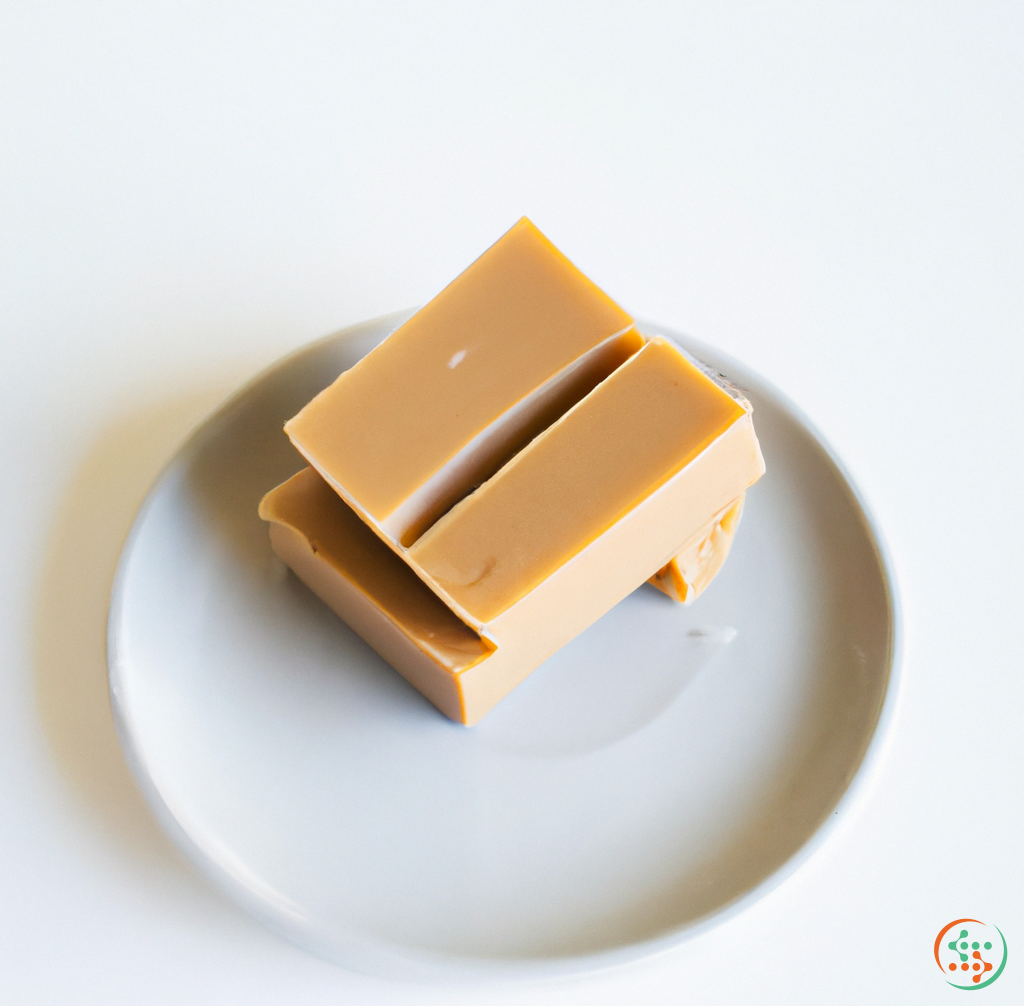
Butterscotch is not a good source of vitamins. Butterscotch is typically made with butter, brown sugar, corn syrup, and cream, which are all largely comprised of simple carbohydrates and fats. Additionally, some varieties also include vanilla extract, baking soda, and salt. Each of these ingredients fail to provide any significant amounts of vitamins or minerals to the final product.
However, there may be trace amounts of certain vitamins in butterscotch due to the fact that dairy products often contain small amounts of vitamins A and D, as well as calcium and phosphorus. However, this would still result in very small amounts and therefore, it would be difficult for anyone to get adequate nutrition from consuming butterscotch alone.
Butterscotch ‐ Vitamin Information
Butterscotch is a popular confectionary treat that has been enjoyed by everyone from children to adults for centuries. Although its sweet and delicious taste is the main attraction of this special treat, it does contain some vitamins – Vitamins B1, A, D, E, K and several other essential nutrients necessary for health and maintenance. This paper aims to provide an in-depth look into the vitamins found inside butterscotch so as to gain further understanding about these vital elements and how they can contribute to overall health.
Vitamin B1 (Thiamine) is essential for maintaining healthy nervous system function as well as aiding in carbohydrate metabolism. Small amounts of thiamine are present in butterscotch candy, making it a moderately good source of food-derived thiamine. In addition, Vitamin B1 helps foster the normal development of brain cells and energy-producing mechanisms within cells involved in proper nerve functioning. The Recommended Dietary Allowance (RDA) recommends that women aged 19+ get 1.1mg and men aged 19+ get 1.2mg of vitimin B1 daily, with future adjustments made according to the individual’s specific needs.
Vitamin A is an important nutrient needed to support vision, growth, immunity and reproductive health. It plays a key role in helping us distinguish colors, especially in dim light, and also promotes healthy young skin with resistence against infection. Generally, most people will not receive enough vitamin A through their diet alone, which means that very small doses found in butterscotch can help ensure adequate intake. The RDA suggests that women should consume at least 700mcg/day and men 900mcg/day.
Vitamin D is prized for its ability to prevent bone diseases such as rickets and osteopenia, while also being beneficial for mood regulation. Moreover, this powerful ally helps the body absorb phosphorous and calcium needed for strong bones, teeth, thyroid and pancreas. Despite several studies suggesting there may be benefits from consuming small amounts of this vitamin from butterscotch, due to the limited concentrations available it is still recommended to obtain adequate levels primarily from time spent outdoors under sunlight or food sources instead. Currently, the RDA states that the average adult female requires 600IUs and male requires 800IUs.
Vitamin E is incredibly valuable when it comes to protecting against conditions such as heart disease, cancer, macular degeneration, Alzheimer's Disease and Parkinson's Disease. Butterscotch provides some vitamin E, though in much smaller amounts compared to other foods such as nuts, avocados, olives or leafy greens. Like the previously mentioned vitamins, the RDA recommends 15mg per day for both males and females.
Vitamin K is critical at all stages of life, playing a pivotal role in blood clotting and healing of wounds. Sources of this important element include broccoli, romaine lettuce, spinach and other green veggies, yet it is surprisingly present in small amounts in butterscotch as well. Because vitamin K consumption varies greatly depending on age, gender and condition, be sure to consult a doctor before relying on butterscotch for regular intake. As a general rule of thumb, the Dag for Adequate Intake (AI) for adults over 19 is 120 mcg for women and 90 mcg for men.
Though we can find traces of essential vitamins inside butterscotch candy, it should not be regarded as an equal substitute for those found naturally in fruits, vegetables and whole foods. Furthermore, the amount of vitamins delivered from these treats are minimal compared to their dietary counterparts. Notably, rather than solely triggering an increase in caloric intake, butterscotch eaten in moderation could thus add some wellsprings of nutrition to our diets without completely breaking the calorie bank.
In sum, butterscotch contains a number of minerals and vitamins, including Vitamins B1, A, D, E, K and more. However, it is important to recognize that these nutrients exist in significantly lesser quantities than what is commonly found in natural food sources. To ensure adequate consumption of vitamins and minerals each day, consulting with a physician or Registered Dietitian can be highly beneficial in finding the right balance of nutrients suited to one’s individual needs.
| Vitamin A | 0.028 mg | |
| Beta-Carotene | 0.006 mg | |
| Vitamin E | 0.09 mg | |
| Vitamin K | 0.3 ug | |
| Vitamin B1 | 0.01 mg | |
| Vitamin B2 | 0.02 mg | |
| Vitamin B4 | 0.8 mg |