Butterscotch: Complete Sugars and Carbohydrate Profile
Butterscotch: Considered a good source of carbohydrates?
No, butterscotch is not a good source of lipids. Lipids are molecules that include triglycerides, fatty acids, cholesterol, and other compounds containing fatty oils. Butterscotch does contain some amount of fat, mostly in the form of saturated and trans fats derived from butter. However, this small amount of fat provides significantly fewer lipids than other sources like fish, nuts, avocados, and olive oil. Furthermore, the saturated/trans fat content should be limited as part of a healthy diet. Thus, while butterscotch may have some caloric value associated with its fat content, it cannot serve as an adequate source of dietary lipids.
Butterscotch ‐ Types of Sugars
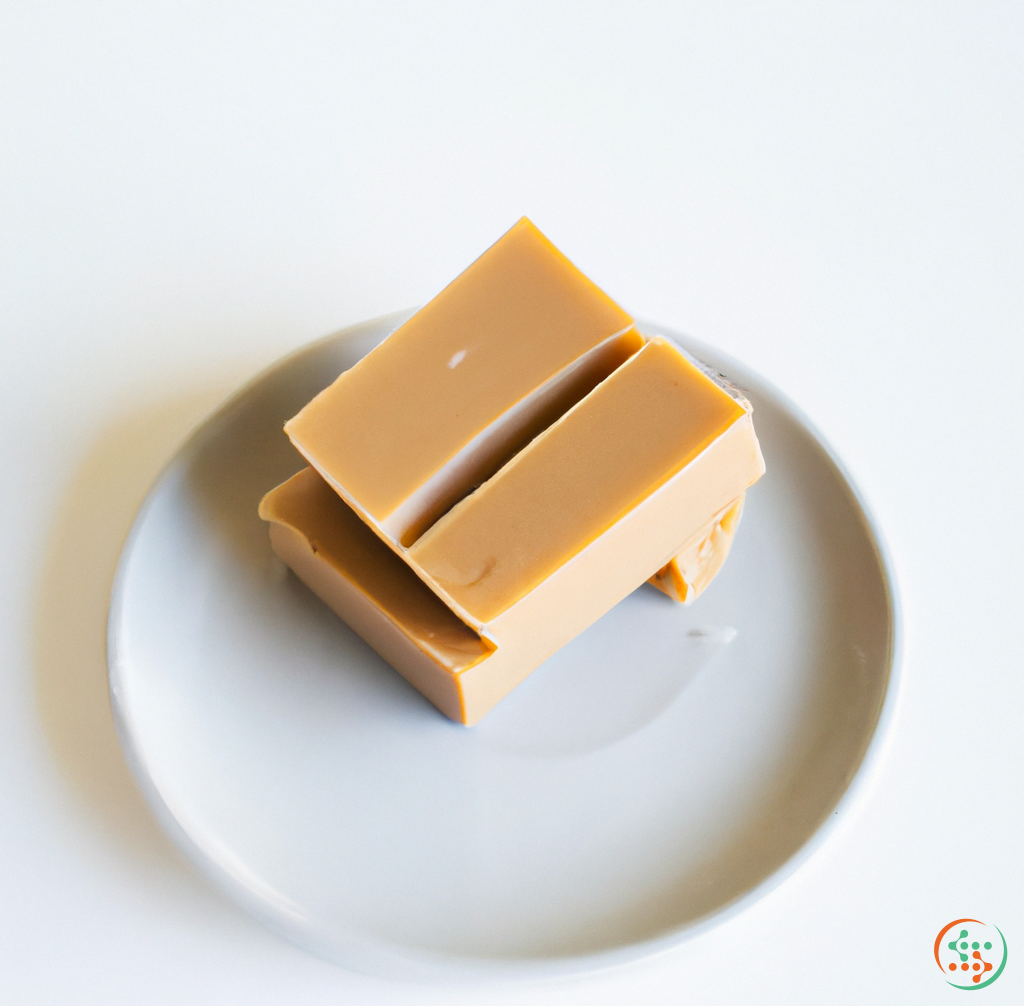
Lipids are an important class of compounds involved in various biological functions. They are necessary for many of the cells, organs, and tissues that make up our bodies. Lipids also provide insulation from heat and cold, act as carriers for hormones, and form part of the protective outer coating of some structures such as fruit skins and nuts. Butterscotch is a type of confectionery made with butter and sugar which can be boiled to produce a thick syrup. This syrup contains both lipids and fats which play important roles in its flavor and texture. In this paper we will explore the types of lipids and fats found inside butterscotch and their effects on its properties.
Fats are made up of long-chain fatty acids (LCFA's) bound together by glycerol molecules. LCFA's consist primarily of carbon atoms connected by single bonds and short branches called methylene groups. There are three families of LCFA’s present in fat: saturated, monounsaturated, and polyunsaturated. Saturated LCFA’s have no double or triple bonds between their carbon atoms and are usually solid at room temperature; examples include stearic acid, lauric acid, and myristic acid. Monounsaturated LCFAs contain one double bond and are generally liquid. Examples include oleic acid and linoleic acid. Polyunsaturated LCFAs contain two or more double bonds and are normally liquid at room temperature; examples include arachidonic acid and alpha-linolenic acid.
Butter is the principal fat in butterscotch because it is composed mostly of LCFAs. Butterfat consists of nearly 80% dairy triglycerides, 16% milk fat globules, 2% components of cell membrane, and trace amounts of sterols, phospholipids, mono-, di-, and triglycerides. Dairy triglycerides account for the majority of the fats and come overwhelmingly from medium chain length fatty acids (MCLFA’s). These MCLFA’s are mostly saturates consisting of myristic acid, palmitic acid, and stearic acid. The remaining 20% comprises the non-dairy components of butterfat which consist mainly of shorter-chain fatty acids and wax esters, though other minor constituents such as long-chain fatty alcohols, free-fatty acids, lactones and squalene can also be found.
In addition to fats, butterscotch also has numerous forms of lipids present. Lipids are organic molecules composed primarily of carbon, hydrogen, and oxygen atoms and possess hydrophobic characteristics due to their lack of polarity. Lipids include mono-, di-, and triglycerides, waxes, sterols, and phospholipids. Triglycerides are the most abundant lipid in butterscotch and represent around 99%. Glyceryl trilinoleate, diacylglycerole and triaceteol are all common triglycerides present in butter and constitute the bulk of its total lipid content. Waxes are another lipid constituent of butterscotch and they provide textural stability and viscosity through the formation of lamellar crystalline structures. Common waxes found in butter are cerotic acid, hydrosterosis, esters of caprylic and butyric acid. Sterols are present in smaller quantities and provide flavors and aromas associated with butter. Cholesterol and sitosterol are the primary sterols present in butterscotch. Phospholipids are essential structural components of cell membranes found within butterscotch which contain polar headgroups attached to long tail regions of hydrocarbons rendering them amphiphilic (both hydrophobic and hydrophilic). Lecithin, cepalin and phosphatidylcholine are among few that are present in small portions.
The combination of these fats and lipids contribute to the unique qualities of butterscotch. Fats account for much of the richness and fullness of the candy while lipids give it its characteristic thickness and creaminess. The presence of certain fatty acids, triglycerides, waxes, sterols, and phospholipids all serve to enhance the flavour of the candy and impart unique mouthfeel and texture. Understanding the complexities of what makes up this classic treat is key in providing insight into how its main ingredients function together to create its wonderful taste.