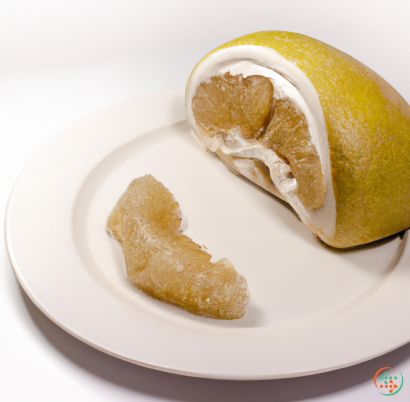
Gooseberries: Complete Vitamin Profile
Gooseberries: Considered a good source of vitamins?
Yes, Gooseberries are a very good source of vitamins. They contain high amounts of many different vitamins including Vitamin A, B-complex Vitamins, Vitamin C, and Vitamin K. Vitamin A is important for healthy vision, immune system health, skin health, and maintaining general wellbeing. The B-complex Vitamins contained in gooseberry help to support nerve function, energy production, and thyroid health. Vitamin C helps with collagen production, aids wound healing, supports strong bones and teeth, regulates the immune system, and boosts iron absorption. Vitamin K contributes to blood clotting and bone health. In addition, it contains minerals such as calcium, magnesium, potassium, phosphorus and zinc which all contribute to overall health.
Gooseberries ‐ Vitamin Information
Gooseberries (Ribes uva-crispa) are small, round fruits that are closely related to currants. Native to Europe and parts of Asia, they are now widely available in North America as well. They vary in color from green to a deep red or purple, depending on the variety and level of ripeness. Gooseberries can be enjoyed raw or cooked, dried, and preserved. However, these tart berries offer many valuable health benefits due to their high vitamin content.
Vitamins are essential organic molecules that must come from an outside source. There are 13 different types classified as either fat or water soluble. These vitamins play a key role in maintaining overall health by performing a variety of functions throughout the body. Water soluble vitamins are those that are not stored in the body, so it is important to consume them regularly since any excess will get excreted through urine. Fat-soluble vitamins, on the other hand, can be stored for later use, so it's ideal to spread out consumption rather than trying to eat a lot in one sitting.
Gooseberries contain several water-soluble vitamins, including Vitamin C, B1 (thiamine), B2(riboflavin), niacin, folate, and pantothenic acid. Vitamin C, also known as ascorbic acid, is perhaps the most well known of the group. It is primarily responsible for fighting oxidative stress and improving immune system performance. A single serving (150 grams) of gooseberries contains 49 mg of Vitamin C, which is 164% of the recommended daily allowance. This is significantly higher than the typical orange or tomato, making them a great way to increase your Vitamin C intake. Additionally, research has shown that Vitamin C may reduce the risk of certain chronic illnesses such as cancer and heart disease_._
Folate, commonly referred to as Vitamin B9, helps with DNA synthesis, tissue repair, cell growth, and break down proteins. This vitamin is especially important during times of rapid growth, such as pregnancy and infancy. A single serving of gooseberry supplies 20 bagful of folate, or 5% of the recommended daily allowance. While this isn taken may seem low, regular supplementation of folate can help provide optimal nutrition for pregnant women and newborns.
The remaining water-soluble vitamins found in gooseberries are all part of the B complex family; thiamin (B1), riboflavin (B2), niacin (B3), and pantothenic acid (B5). Each are involved in energy production and metabolism, helping to convert food into fuel. Thiamin contributes to nerve functioning, while riboflavin keeps skin cells healthy and working properly. Niacin aids in digestion and transporting sustenance through the body, while pantothenic acid helps create hormones and neurotransmitters. For example, a single serving of gooseberry provides 14 micrograms of thiamin, 5 micrograms of riboflavin, 2 milligrams of niacin, and 1 milligram of pantothenic acid - 18%, 7%, 10%, and 8% of the RDA respectively.
One thing that should be noted here is that despite its claim as a "superfood", gooseberries do not contain any fat-soluble vitamins such as A, D, E, or K. This means that fatty foods like avocado and olive oil would be better options for getting these important nutrients into your diet.
All in all, gooseberries are a surprisingly nutrient-dense fruit. Beyond the water-soluble vitamins previously mentioned, gooseberries are full of dietary fiber, minerals like iron and calcium, and various antioxidants. Not only are these tiny fruits delicious, but incorporating them into our diets could have huge health implications given the range of beneficial compounds contained within. So regardless if you enjoy them fresh, dried, or cooked, make sure to include some gooseberries in your meals and reap the rewards of nature's nutritious gems.
| Vitamin A | 0.015 mg | |
| Vitamin E | 0.37 mg | |
| Vitamin C | 0.0277 grams | |
| Vitamin B1 | 0.04 mg | |
| Vitamin B2 | 0.03 mg | |
| Vitamin B3 | 0.3 mg | |
| Vitamin B5 | 0.29 mg | |
| Vitamin B6 | 0.08 mg | |
| Vitamin B9 | 0.006 mg |