Gruyere Cheese: Complete Vitamin Profile
Gruyere Cheese: Considered a good source of vitamins?
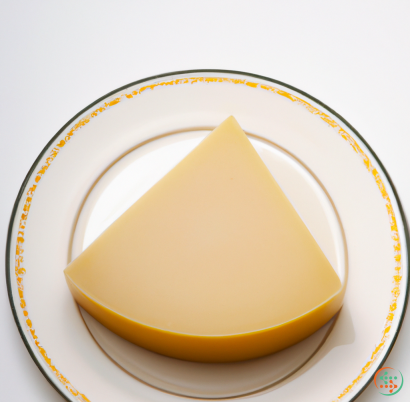
Gruyere cheese is a Swiss cheese that has been made for centuries. It has a strong, nutty flavor and creamy texture. While it does not necessarily provide a significant source of vitamins, Gruyere cheese does contain some Vitamin A and other essential nutrients like Calcium, Phosphorus, Selenium, Potassium and Zinc. Additionally, it provides B-vitamins—including riboflavin, thiamine, pantothenic acid, vitamin B6 and folates—as well as trace amounts of vitamins E, K, and C.
That said, while it can be part of an overall balanced diet, Gruyere cheese should not serve as the primary dietary source of any particular nutrient. Moreover, due to its high fat content and caloric density, those looking to lose weight or reduce their cholesterol levels may want to use moderate portions of this cheese infrequently.
Gruyere Cheese ‐ Vitamin Information
Introduction
Gruyere cheese is a type of cheese that has been around since the 12th century in Switzerland. The Gruyere name comes from a small town called Les Grisons, which is located in the Swiss alps. This cheese varies greatly because it can be aged anywhere from four to eighteen months, resulting in different flavors and textures across its various varieties. Much like other cheeses, the Gruyere contains many vitamins and minerals beneficial to one's health. In order to understand why these nutrients are present, this paper will discuss the vitamins and minerals found in Gruyere cheese, how they are created, their benefits, and any risks associated with consuming them.
Vitamins Found in Gruyere Cheese
In general, cheese has 8 important essential vitamins: A, D, E, K, B2 (Riboflavin), B12 (Cyanocobalamin), folate, and biotin. Of those 8, Gruyere cheese contains Vitamin A, D, E, K2, B2, B12, folate, and biotin.
Vitamin A is an antioxidant found on the surface of fat-soluble membranes within cells. It plays an essential role in cell growth and development, aids in vision health, as well as protects against certain diseases such as cancer. In Gruyere cheese, vitamin A is thought to be derived from bovine milk and helps support healthy vision, bones, endocrine system and more. As a provitamin, it also helps break down fat molecules, allowing better digestion and absorption by the body.
Vitamin D is a prohormone that assists calcium absorption in the intestines and regulates blood levels of phosphorous and calcium. This key vitamin helps protect bones and teeth by increasing mineralization. Based on research conducted, Gruyere cheese contains both Pre-vitamin D3 and Vitamin D3 to aid in cell differentiation, skin hydration, and regulating the parathyroid hormone.
VitaminE acts as an antioxidant, neutralizing free radicals that otherwise cause cell damage. This prevents oxidative stress from occurring. In Gruyere cheese, Vitamin E sustains healthy flow of oxygen throughout the body all while limiting inflammation.
Unlike other types, Gruyere cheese does have Vitamin K2. This nutrition, mostly found in animal flesh, dairy products and fermented foods, tends to be overlooked yet too carries vital functions. Vitamin K2 works to produce soft tissue protein needed for strong bones and activated Matrix Gland Protein; an enzyme responsible for energy production in brain and muscle tissue.
B Vitamins work together to support cellular function, convert carbohydrates into glucose, enabling the body to release energy, maintain hormonal balance, metabolize proteins, as well as preserve cognitive functioning. More specifically B2 influences growth hormone and red blood cells production, while B12 supports DNA synthesis and nerve and metabolic activity processes. Each of these two vitamins aren’t generally produced on their own and must come from external sources; luckily enough, Gruyere cheese provides sufficient amounts of both.
Folate and biotin act similarly assisting metabolic responses in breaking down proteins, fats, and carbs into smaller compounds. Folate helps create new cells by supporting chromosome replication, generating genetic material necessary for cell division. Biotin aids overall metabolic process and reduces fatigue by releasing glycogen stores for quick access of energy. Both highly reduce risk for birth defects and offer numerous benefits for women during pregnancy.
Health Benefits of Consuming Gruyere Cheese
These vitamins and minerals found in Gruyere cheese not only offer flavor and texture, but along with assistance to normal bodily processes, they provide multiple health benefits. Regular consumption of Gruyere cheese may help ward off illnesses while promoting overall wellness.
The combination of vitamins A and D offers balanced nourishment and heightened immunity. Vitamin A aids vision and improves bone structure, while protecting against cancers. Vitamin D reinforces and preserves bone density, promotes neuromuscular coordination, and optimizes the immune response. Moreover, regularly ingesting Vitamin E lessens the possibility for disease by virtue of enhancing immunity and burning unwanted fat.
Additionally, adequate intake of Vitamins B2, B12, folate, and biotin all share responsibility for proper metabolism and reproduction of genetic material. Additionally,folate reduces risk for cardiovascular disease, stroke, dementia, age related macular degeneration, and Alzheimer’s. As a bonus, both promote good fetal development and prevent neural tube disorder when consumed by pregnant mothers.
Finally, the sheer amount of Vitamin K2 in dense meats like Gruyere cheese makes possible complete utilization of calcium and phosphorus deposits on the skeletal structures. The energy production additionally accomplished through this key element also boosts exercise performance, mental clarity, nervous system stability, as well as limits inflammatory reactions.
Risks Associated With Consuming Too Many Vitamins Found In Gruyere Cheese
Though there are many positive reasons to consume Gruyere cheese due to its many vitamins, there is potential for some risks if ingestion exceeds typical amount recommended. Most notably, vitamin D intakes greater than 2000 IU per day lead to an imbalance of minerals, leading to kidney stones and other issues. Overconsumption of Vitamin A might consequently result in hair loss, liver injury, tiredness, nausea and headaches. Furthermore, excessive Vitamin E ingestion causes lower sexual hormones in males, premature delivery or death of fetus, muscle weakness, blurred vision, bleeding problems and organ fibrosis in females. Finally, utilizing too much Vitamin K alters coagulation time and increases burden on lungs, eyes and brain.
Conclusion
As indicated above, depending upon the aging period, Gruyere cheese is rich in vitamins– namely A, D, E, K2, B2, B12, folate, and biotin — each providing different diverse health benefits. These range from improved vision, improved bone strength, high contraception and male fertility preservation, enhanced neuron-muscular coordination, boosted immunity and energy generation, reduced risk for age related disorders, as well as quieter intensive effects such as accelerated wound healing. Yet at times overindulgence poses serious adverse effects, thus reasonable ingestion quantities should be taken into account prior to putting it into daily diet. Despite the choice made, utilizing this special cheese-especially raw — allows reaping optimal rewards without jeopardizing life quality.
| Vitamin A | 0.271 mg | |
| Beta-Carotene | 0.033 mg | |
| Vitamin D | 0.6 ug | |
| Vitamin D3 | 0.6 ug | |
| Vitamin E | 0.28 mg | |
| Vitamin K | 0.0027 mg | |
| Vitamin B1 | 0.06 mg | |
| Vitamin B2 | 0.28 mg | |
| Vitamin B3 | 0.11 mg | |
| Vitamin B4 | 0.0154 grams | |
| Vitamin B5 | 0.56 mg | |
| Vitamin B6 | 0.08 mg | |
| Vitamin B9 | 0.01 mg | |
| Vitamin B12 | 0.0016 mg |