Fish Fillet Recipe: Great Taste. Simple Directions.
Make the perfect Fish Fillet
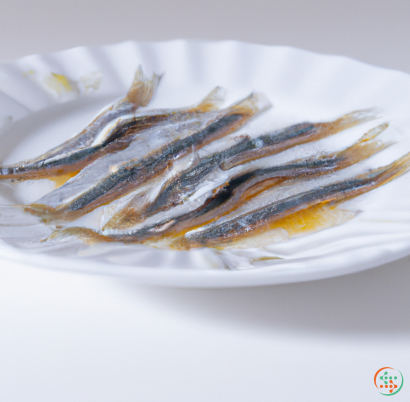
The art of making fish fillet is one that has been used for centuries, and it is still a popular way to prepare fish today. It is an approach to cooking fish that is simple, yet effective, allowing for a variety of flavors and textures. There are a variety of techniques that can be used to make fish fillet, and the choice of method will depend on the type of fish being used and the desired result.
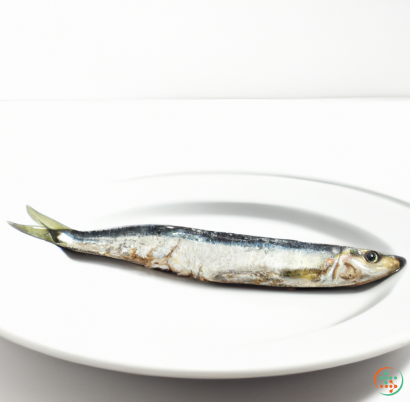
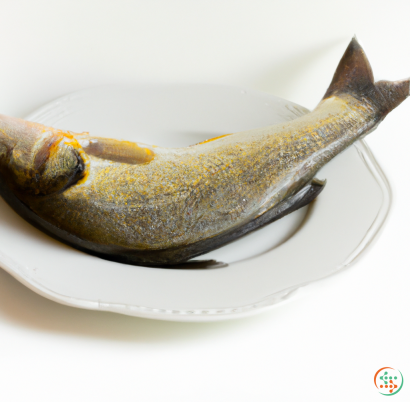
Fish fillet is a staple in many cultures, and has been around for centuries. It is a versatile dish, as it can be served as a main course, as part of a larger meal, or even as an appetizer. The process of making fish fillet is relatively straightforward and requires only a few basic ingredients and tools. The first step is to select the type of fish that will be used; this is usually based on personal preference and the desired flavor profile. It is important to choose a fresh fish that is firm, with no visible signs of spoilage.
Once the type of fish has been chosen, it must be prepared for filleting. This involves removing the scales, fins, skin, and bones from the fish. This can be done by hand, or with the use of a specialized tool, such as a fillet knife. The next step is to cut the fish into fillets; this is done by making a clean, straight cut along the backbone of the fish, and then cutting the fillets away from the bone. The thickness of the fillets should be consistent, as this will ensure even cooking.
The fillets can then be marinated or seasoned, depending on the desired flavor profile. Marinating the fillets will help to bring out the natural flavor of the fish, and also add some additional flavor. Seasoning the fillet will enhance the flavor of the fish and add a bit of texture. Once the fillets are marinated or seasoned, they can be cooked.
Fish fillet can be cooked in a variety of ways, such as baking, grilling, steaming, poaching, or frying. Baking and grilling are the most popular methods, as they allow for the fish to be cooked quickly and evenly. Steaming and poaching are great options for those who are looking for a more delicate flavor and texture, while frying creates a crispy outer layer.
No matter which method of cooking is chosen, fish fillet is always best served fresh. It should be eaten shortly after it is cooked, as the quality of the fish will diminish over time. Fish fillet can be served in a variety of ways, such as with sauces, salads, vegetables, or rice. It can also be served on its own, as a delicious and healthy meal.
Making fish fillet is a great way to enjoy a delicious and nutritious meal. It is a simple and straightforward process, and with a little practice, anyone can become an expert at making fish fillet. The key is to select the right type of fish, prepare it correctly, and cook it properly. With these steps, anyone can create a tasty and healthy fish fillet that is sure to please.
Fish Fillet ‐ What It Tastes Like
Fish fillet is a popular dish that is enjoyed by people all over the world. Whether it's grilled, pan-fried, or baked, fish fillet is a delicious and healthy way to enjoy fresh fish. It's also a great option for those who want to get the most out of their fish without the hassle of preparing and cooking an entire fish.
When it comes to fish fillet, the taste and flavor of the fish depends on the type of fish used. Different types of fish will have different flavors, textures, and seasonings. Some common types of fish used for fish fillets include salmon, cod, haddock, and tilapia. Each of these fish has its own unique flavor profile which can be enhanced with the addition of herbs and spices.
Salmon is one of the most popular types of fish used for fish fillets. It has a mild, buttery flavor that works well with a variety of seasonings. When cooked correctly, salmon fillets will have a slightly sweet taste and a firm texture.
Cod is another popular fish used for fish fillets. This type of fish has a mild flavor and a tender, flaky texture. It is often seasoned with herbs such as thyme, oregano, and parsley to enhance its flavor.
Haddock is a mild-flavored fish that is usually lightly pan-fried or baked. Its delicate texture allows it to absorb seasonings and spices easily. It also has a sweet, nutty flavor that makes it a favorite for many fish-lovers.
Tilapia is a mild-tasting fish that is often used for fish fillets. Its flavor is similar to cod, but it has a slightly firmer texture. It is often seasoned with a combination of herbs and spices for an added layer of flavor.
No matter which type of fish you choose, fish fillet is a delicious and versatile dish that can be enjoyed in a variety of ways. It can be served as an entrée, as part of a sandwich, or as an appetizer. Whether you are looking for a healthy and flavorful meal or just a quick and easy way to enjoy fresh fish, fish fillet is an excellent option. Its mild flavor and texture make it a great choice for those who are looking to experiment with different types of fish.
Fish Fillet ‐ Is it healthy for you?
Fish fillet seems to have become a staple in many people's diets these days, but is it really a healthy option?
The short answer is yes, fish fillet can be considered healthy. Fish is an excellent source of protein, vitamins, and minerals, and it's also an excellent source of omega-3 fatty acids, which are essential for overall health. It's also low in saturated fat and cholesterol, making it a great choice for those trying to eat a heart-healthy diet.
However, there are some things to consider when deciding whether or not to include fish fillet in your diet. One of the biggest concerns about fish is the potential for contamination with heavy metals, such as mercury and lead. Mercury can accumulate in the body over time and can be particularly dangerous for pregnant women and young children. To reduce the risk of contamination, it's important to choose fish that is sustainably sourced and low in mercury, such as salmon, tilapia, and cod.
Another potential concern is the potential for toxins in fish. Fish can absorb toxins from the environment, so it's important to choose fish that come from sources that are known to be clean and safe. Farmed fish, for example, can contain higher levels of contaminants than wild-caught fish, so it's important to do some research before buying.
In addition to the potential for contamination, there are other things to consider when choosing fish. For example, some fish are high in omega-6 fatty acids, which can be pro-inflammatory if eaten in large amounts. Omega-6 fatty acids are found in higher concentrations in farmed fish, so it's important to choose wild-caught fish whenever possible.
Overall, fish fillet can be a healthy addition to your diet. When choosing fish, it's important to opt for wild-caught fish whenever possible and to look for sources that are low in mercury and contaminants. Additionally, it's important to balance out your intake of omega-3 and omega-6 fatty acids by including a variety of different types of fish in your diet. With a little bit of research and careful selection, you can enjoy fish fillet as part of a healthy and balanced diet.
Fish Fillet ‐ Is it Gluten Free?
For those of us that follow a gluten-free diet, the question of whether fish fillet is gluten-free is an important one. After all, fish fillet is a popular dish and can be found on many restaurant menus. The good news is that, yes, fish fillet is usually gluten-free.
Fish fillet is made from the flesh of a fish, which is naturally gluten-free. While it’s possible for gluten to be added to a fish fillet as part of a marinade or coating, this is not usually the case. The majority of fish fillets are prepared without any added gluten.
However, there are some caveats to keep in mind when you’re eating fish fillet. For one, the way the fish is cooked can affect its gluten content. If it’s cooked in a shared fryer with gluten-containing foods, then it may become contaminated with gluten. Similarly, if it’s cooked in a grill that has been used to cook gluten-containing foods, it may also be contaminated with gluten. It’s also important to note that some restaurant may add gluten-containing ingredients to their fish fillets, such as breadcrumbs or flour. It’s best to check with the restaurant or ask your server about the ingredients used in the preparation of the dish.
When you’re preparing fish fillet at home, it’s important to make sure you’re using gluten-free cooking methods. If you’re frying the fish, make sure you’re using a separate fryer and oil for the fish fillet. If you’re grilling the fish, make sure you’re using a dedicated grill or clean the grill thoroughly before cooking the fish fillet.
Overall, fish fillet is usually gluten-free. However, it’s important to be aware of the potential for gluten contamination from shared cooking surfaces or added ingredients. When in doubt, ask your server or check the ingredients list if you’re making the dish at home.
Fish Fillet ‐ Preparation Time
Fish fillets are a delicious, nutritious and relatively easy meal to prepare. While there is some time and effort involved in preparing fish fillets, the result is worth it. After all, fish is an excellent source of lean protein, and it can cook quickly.
When you're ready to start preparing your fish fillet, the first step is to gather all the ingredients you'll need. This includes your choice of fish fillet, as well as any herbs or spices you'd like to use for seasoning. You'll also need oil for cooking and any vegetables or side dishes you'd like to include with the meal.
Once you have all the ingredients ready to go, it's time to start prepping the fish. Start by washing the fillet with cold water. Then, using a sharp knife, remove any bones or skin. Finally, slice the fish into manageable-sized pieces.
Once the fish has been prepped, you can begin seasoning it. Add your choice of herbs and spices, then drizzle the fish with oil. You can also add any vegetables, such as bell peppers or onions, to the fish at this stage.
Now it's time to cook the fish. Heat a skillet over medium-high heat, then add the fish and vegetables to the pan. Cook until the fillets are cooked through, flipping them occasionally. Depending on the thickness of the fillets, this should take about five to seven minutes.
Once the fish is cooked, serve it with your favorite side dishes. A light salad or roasted vegetables would pair nicely with the fish. For a more substantial meal, steamed rice or mashed potatoes would be perfect.
All in all, preparing a fish fillet takes about 15 to 20 minutes. With the right ingredients and a little bit of patience, you can enjoy a delicious and healthy meal that's sure to please.
Fish Fillet ‐ Serving Size
When it comes to serving sizes, fish fillet is a tricky one. It can be difficult to know how much to serve, especially if you’re trying to make sure everyone at the table is getting the right amount. Fish fillet is a lean protein that is low in calories, high in essential nutrients, and can be cooked in a variety of ways. But how much should you serve?
When it comes to serving size for fish fillet, it’s important to consider your guests’ individual needs. A general rule of thumb is that a serving size should be about four ounces of cooked fish per person. This number can vary depending on the size of the fillet and the other ingredients in the dish. If you’re serving a small fillet, you may want to double up on servings or provide side dishes to make sure everyone is getting enough.
When it’s time to cook, you’ll want to make sure you’re using the right type of fish for the recipe you’re making. Different types of fish have different densities and cooking times, so you’ll want to choose a fish that will cook evenly and to the desired doneness. You’ll also want to consider the size of the fillet when deciding how much to cook. A smaller fillet will cook faster than a larger one, so you may need to adjust the cooking time as needed.
It’s also important to note that the weight of the fish fillet can vary significantly depending on how it’s packaged. If you’re buying frozen fillets, make sure to check the label for the exact weight of the fillet before you cook. This will help you make sure you’re serving the right amount of fish per person.
When you’re ready to serve, it’s important to make sure everyone is getting enough fish. A good way to do this is to divide the cooked fish into four equal portions and serve one portion to each person. This will help ensure that everyone is getting the right amount of protein and nutrients from their meal.
Overall, when it comes to fish fillet, the key is to make sure you’re serving the right amount per person. A good rule of thumb is to serve about four ounces of cooked fish per person. However, this number can vary depending on the size of the fillet, the other ingredients in the dish, and the type of fish you’re using. By taking these factors into consideration, you can make sure everyone at the table is getting the right amount of fish fillet.
Recipe for Fish Fillet
Ingredients:
- 4 white fish fillets
- 2 tablespoons butter
- 2 tablespoons olive oil
- 2 cloves garlic, minced
- 1 teaspoon fresh lemon juice
- 2 tablespoons dry white wine
- 1 tablespoon fresh parsley, chopped
- Salt and freshly ground black pepper to taste
Directions:
1. Heat the butter and olive oil in a large skillet over medium heat.
2. Add the garlic and sauté until just fragrant, about 30 seconds.
3. Add the fish fillets and cook until golden brown and cooked through, about 3 to 4 minutes per side.
4. Add the lemon juice, white wine, parsley, salt, and pepper.
5. Simmer for 1 to 2 minutes.
6. Serve hot with steamed vegetables or a salad. Enjoy!