Indian Dal Recipe: Great Taste. Simple Directions.
Make the perfect Indian Dal
Indian Dal is a dish that has been treasured by many cultures for centuries. It is a staple in India and is enjoyed in many other countries around the world. Dal is a type of lentil stew that is often cooked with a variety of spices and herbs, making it a flavorful and nutritious meal. Dal is a popular vegetarian dish due to its high protein content, making it a great option for vegetarians and vegans alike. It can also be made with different types of lentils, making it a highly versatile dish.
When it comes to making Indian Dal, there are endless possibilities. From the type of lentils used, to the choice of spices and herbs, to the cooking method, there are many ways to make this flavorful and nutritious dish. That being said, there are some basic concepts that are important to understand when it comes to making Indian Dal.
First, it is important to understand the different types of lentils that can be used. The most common type of lentils used in Indian Dal is toor dal, although many other types of lentils can be used. Toor dal is a type of split yellow lentil that is often used in Indian dishes. Other types of lentils that can be used are chana dal, masoor dal, moong dal, and urad dal. Each type of lentil has its own unique flavor, texture, and nutrition profile.
Second, it is essential to understand the different types of spices and herbs that are commonly used when making Indian Dal. Common spices used in Indian Dal include turmeric, cumin, coriander, cardamom, ginger, and chili powder. Herbs such as cilantro, mint, and curry leaves are also commonly used to add flavor to the dish. It is important to understand how to properly use the spices and herbs when making Indian Dal so that the flavors are balanced and the dish is not overly spicy or too bland.
Third, it is important to understand the different cooking methods that can be used when making Indian Dal. The most common method is to simmer the lentils and spices in water or broth until the lentils are cooked. This method is simple and easy, and allows for the flavors of the spices and herbs to infuse into the lentils. Another method is to pressure cook the lentils and spices, which is a quicker method but can result in a less flavorful dish. Lastly, Indian Dal can also be cooked in a slow cooker, which is a great option if you are short on time.
Making Indian Dal is a delicious and nutritious way to enjoy a meal. The combination of lentils, spices, and herbs offers a flavorful and satisfying dish that can be enjoyed by everyone. With a few key concepts in mind, anyone can make a delicious Indian Dal.
Indian Dal ‐ What It Tastes Like
For many of us, nothing is more comforting than a bowl of Indian dal. This simple yet flavorful dish is a staple in Indian cuisine, and it can be enjoyed as a side dish or as a main course. Made primarily with lentils, Indian dal is often seasoned with spices such as cumin, coriander, turmeric, and chili powder. With its unique flavor and texture, it’s no wonder that Indian dal has become a favorite for many around the world.
At its most basic, Indian dal is made by simmering lentils in water until they are soft and creamy. The lentils can be whole, split or hulled, depending on the dal preparation. But no matter which type of lentils are used, the result is always a delicious and hearty bowl of comfort.
The flavor of Indian dal is unique. It is not overly spicy, but rather has a mild, earthy flavor that is subtly sweet and nutty. The spices used in Indian dal provide a warm, comforting flavor that is slightly aromatic. The turmeric in particular adds a bright yellow hue to the dish, while the chili powder adds a slight kick to the flavor.
The texture of Indian dal is just as interesting as the flavor. When cooked, the lentils become soft and creamy, while still maintaining their texture. The texture of the dal changes depending on the type of lentils used – whole lentils retain their shape, while split and hulled lentils break down into a thick, creamy texture.
Indian dal can be enjoyed as a side dish or as a main course. It pairs well with steamed basmati rice or naan, a traditional Indian flatbread. It can also be served with vegetables, salads, or yogurt. For a heartier meal, dal can be served over cooked grains such as quinoa or millet.
Indian dal is a comforting and flavorful dish that is easy to make and is enjoyed by people around the world. Whether it’s served as a side dish or as the main course, Indian dal is sure to please with its unique flavor and texture. So, the next time you’re in the mood for a comforting bowl of dal, give this classic Indian dish a try. You won’t be disappointed.
Indian Dal ‐ Is it healthy for you?
When it comes to the popular cuisine of India, Dal stands out as one of the most beloved dishes. Dal, which is a type of stew made from lentils and spices, is a staple in Indian homes, and it has been enjoyed for centuries. While its delicious flavor is undeniable, questions remain as to whether Dal can be considered a healthy meal. This is an important question to answer, as many people are looking for healthier options for their diets.
To start, let’s look at the nutritional content of Dal. Dal is a source of carbohydrates, protein, and fiber, and it is typically low in fat. Furthermore, lentils are packed with essential vitamins and minerals, including B vitamins, iron, magnesium, and zinc. The spices used to prepare Dal are also beneficial; turmeric, for example, is known to have antioxidant and anti-inflammatory properties.
On the other hand, Dal is often cooked with oil and ghee, which can add a significant amount of saturated fat and calories. Furthermore, the addition of certain spices, such as coriander and cumin, can further increase the fat content. This means that people who are watching their fat intake should be mindful of how much oil and ghee they use while cooking Dal.
In addition to its nutritional content, it is important to consider how Dal is typically served. Dal is usually accompanied by rice and other dishes, such as chapatis and samosas, which can add a significant amount of calories and carbohydrates to the meal. This means that, if you are trying to watch your calorie intake, it is important to be mindful of what else you are eating with your Dal.
Overall, Dal can be a healthy meal if it is prepared and served in a balanced way. While it is a source of protein, fiber, and vitamins, it is important to be mindful of the amount of oil and ghee used while cooking and the accompaniments served with the dish. With this in mind, Dal can be a nutritious and flavorful way to enjoy a traditional Indian meal.
Indian Dal ‐ Is it Gluten Free?
When it comes to health and nutrition, Indian cuisine is one of the most popular cuisines in the world. One of the most popular dishes that is served in Indian restaurants is Dal, a type of Indian lentil dish. Dal is a nutritious and flavorful dish, but what many people don’t know is whether or not it is gluten free.
Gluten is a type of protein found in wheat, barley, and rye. People who suffer from Celiac Disease must adhere to a strict gluten-free diet in order to avoid severe digestive problems. Therefore, for those with Celiac Disease, it is important to know whether or not Indian Dal is gluten free.
The good news is that Indian Dal is indeed gluten free. This is because it is traditionally made with lentils, which are naturally gluten free. However, it is important to note that there may be other ingredients in the dish that contain gluten. For example, some restaurants may add wheat flour to their Dal in order to thicken it. Therefore, it is important to always ask your server when ordering Dal if wheat flour has been added.
In addition to the ingredients used to make Indian Dal, it is important to note that the way it is cooked can also affect its gluten content. For example, if Dal is cooked in a pot that has been used to cook other wheat-based dishes, then it may contain traces of gluten. Therefore, it is important to ask your server if the Dal has been cooked in a separate pot.
Overall, Indian Dal is generally gluten free, but it is important to always ask your server about the ingredients and cooking methods used. This will ensure that you are able to enjoy this delicious dish safely.
Indian Dal ‐ Preparation Time
Indian Dal is a beloved staple of Indian cuisine, eaten for centuries and enjoyed by cultures around the world. It is a hearty dish that is both nutritious and flavorful. But what does it take to prepare a delicious Indian Dal?
The preparation time for Indian Dal can vary depending on the type of Dal you are making. For the most part, however, the process is fairly straight-forward and can take anywhere from an hour to several hours. The first step in preparing Indian Dal is to soak the Dal overnight in water. This helps to soften the grains and make them easier to cook.
After soaking the Dal, it is time to heat up a pot with oil or ghee and add any spices you may be using. Once the spices are added, you can then add the soaked Dal and begin to cook. The Dal will need to cook on low heat for a good amount of time, usually around 45 minutes to an hour. During this time, you can add water as needed to keep the Dal from sticking to the bottom of the pot.
Once the Dal is cooked, you can then add in any vegetables or other ingredients you may be using. This can also be done while the Dal is cooking, but it is important to make sure that the vegetables are cooked through before adding them in. Once all the ingredients are added, the Dal can continue to cook for another 10-15 minutes, or until everything is cooked to your desired level of doneness.
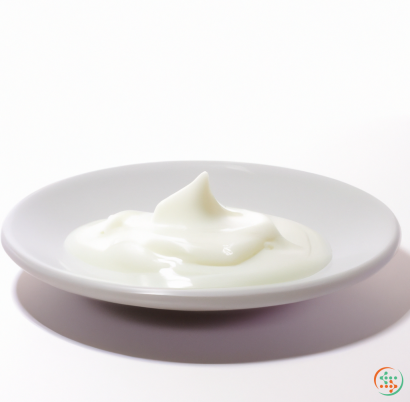
At this point, the Indian Dal is ready to serve. You can top it with fresh herbs, cilantro, and a dollop of yogurt or cream for a more decadent experience. Or, you can simply enjoy it as is, with some naan bread or basmati rice.
No matter how you choose to enjoy your Indian Dal, one thing is certain - the preparation time may be lengthy, but it is well worth the effort. The combination of spices, vegetables, and Dal creates a flavorful and comforting dish that is sure to please everyone at the table.
Indian Dal ‐ Serving Size
Indian Dal is a staple in Indian cuisine and is a key component of many meals. It is a thick soup-like dish made from pulses (lentils, peas, and beans) that are cooked with a variety of spices. Dal is typically served over steamed rice or as an accompaniment to other dishes.
The serving size of Indian Dal can vary depending on the type of dish it is being served with, the number of people being served, and the overall meal itself. Generally, a serving of Dal should be about one-fourth of a cup per person. This is enough to provide a balanced meal, with the other accompanying dishes adding enough protein and vitamins.
For a main dish such as lentil Curry, the serving size is usually larger. A single serving of this type of dish should be about one cup per person. This is because lentils are packed with nutrients and provide a substantial amount of protein and fiber. The accompanying dishes should be equally balanced, providing the right amount of carbohydrates, proteins, and other nutrients.
When serving Dal as a side dish, the serving size should be smaller. One-eighth of a cup per person is usually sufficient. This is enough to add flavor and texture to the meal without overwhelming the other dishes.
When making Indian Dal, it is important to remember that it should not be overly salty or spicy. The lentils and other pulses should be cooked to a smooth consistency and seasoned lightly, allowing the spices and other ingredients to really shine through.
No matter how it is served, Dal is a delicious and nutritious dish that can be enjoyed by everyone. When prepared correctly and served in the right portion sizes, it can be an integral part of a balanced and satisfying meal.
Recipe for Indian Dal
Ingredients:
- 1 cup of split yellow lentils (toor dal)
- 1 teaspoon turmeric powder
- 1 teaspoon cumin seed
- 2 tablespoons ghee
- 1 teaspoon cumin powder
- 1/2 teaspoon coriander powder
- 1/4 teaspoon asafoetida
- 1 teaspoon ginger-garlic paste
- 1 teaspoon red chilli powder
- 1 chopped onion
- 2 chopped tomatoes
- 2 green chillies, chopped
- 2 tablespoons chopped fresh coriander
- Salt to taste
Directions:
1. Rinse the lentils in cold water and soak in a bowl of hot water for 30 minutes.
2. Drain the lentils and transfer to a large saucepan. Add 5 cups of water, turmeric powder and cumin seeds. Bring to a boil over medium-high heat.
3. Reduce heat to low and simmer for 25 minutes.
4. Meanwhile, heat ghee in a large skillet over medium heat. Add cumin powder, coriander powder, asafoetida, ginger-garlic paste and red chilli powder. Sauté for 1 minute.
5. Add onion and sauté for 2 minutes.
6. Add tomatoes and cook for 3 minutes.
7. Add green chillies and coriander and cook for 1 minute.
8. Add the sautéed mixture to the lentils and stir to combine.
9. Simmer for 15 minutes.
10. Add salt to taste and stir to combine.
11. Serve hot with steamed rice or roti.